Atlanta's humid subtropical climate brings heavy summer storms and persistent moisture that quickly saturates older brick and frame homes in neighborhoods like Inman Park and Virginia-Highland. Water seeps into crawl spaces and behind plaster walls, and the mild winters keep humidity levels high enough that drying takes longer than in drier climates. Technicians must account for Fulton County's clay-heavy soils that hold water against foundations, especially in Grant Park and Old Fourth Ward properties built before modern vapor barriers.
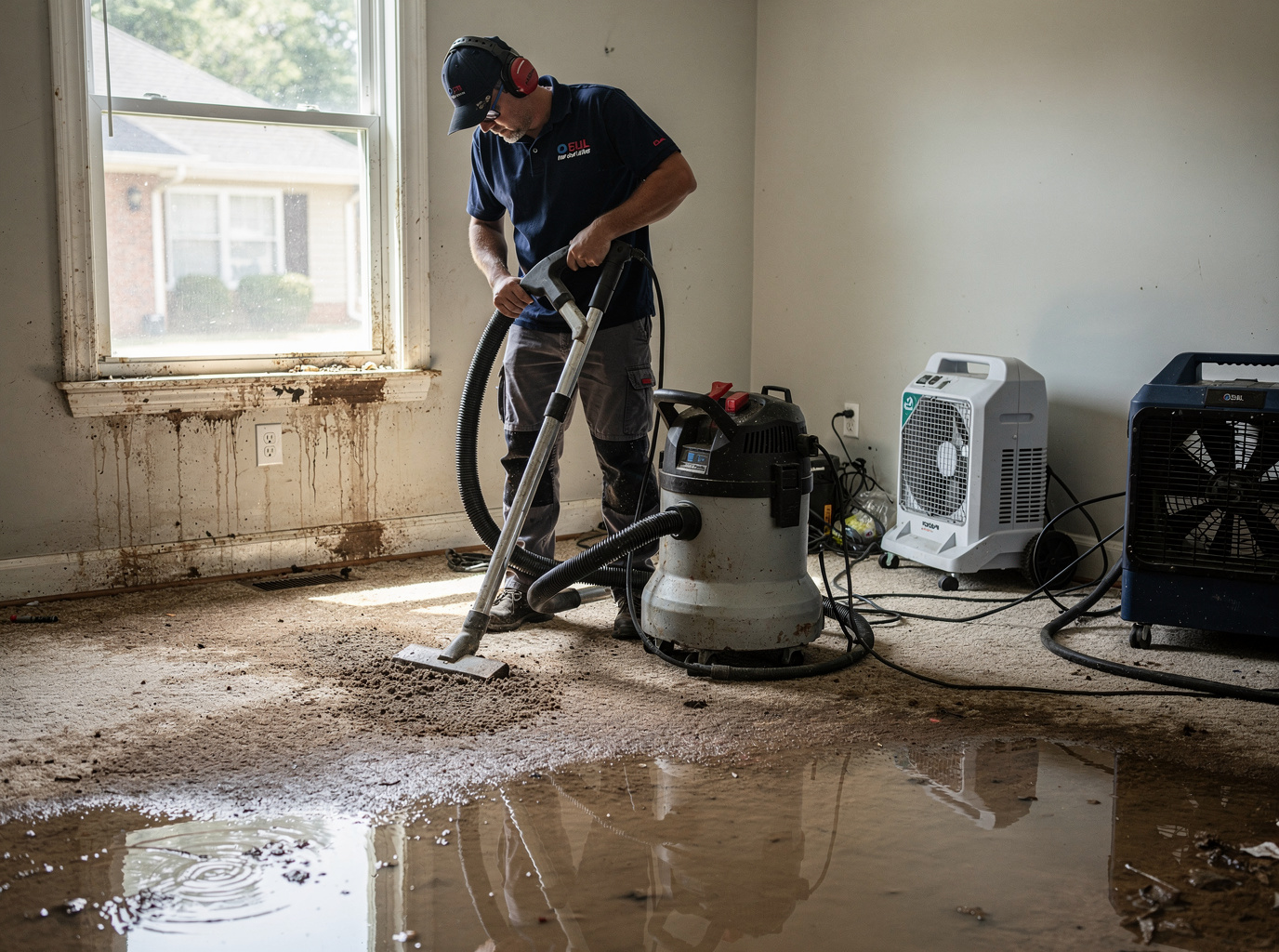
Emergency response focuses on stopping active leaks from roof failures or burst pipes common after sudden downpours near the Atlanta BeltLine. Crews extract standing water first, then use industrial dehumidifiers and air movers to pull moisture from hardwood floors and subfloors that can warp in East Atlanta and West End bungalows. Hidden pockets behind kitchen cabinets or in finished basements often require moisture meters and thermal imaging to locate before secondary mold growth starts.
Restoration includes removing saturated drywall up to the flood line, treating affected framing, and reinstalling materials to match original construction details in historic Midtown and Buckhead residences. Work near landmarks like Piedmont Park or Centennial Olympic Park must respect local permitting rules for exterior drainage fixes. Crews coordinate with Sandy Springs and Decatur homeowners when water crosses property lines during heavy rains.
Technician insight
In Atlanta the thing that catches most people out with water damage restoration is how Fulton County's clay soils and older brick homes in places like Virginia-Highland hold moisture for weeks after a storm. Homeowners often stop once the floor looks dry, but without proper dehumidification behind walls the humidity from our mild winters restarts mold growth inside the cavities.
Buckhead Crawl Space Leak
Heavy rain overwhelmed a downspout near a 1950s home in Buckhead. Water entered the crawl space and wicked into subfloor joists. Extraction and targeted drying prevented warping of the main floor while preserving original hardwood in the living areas.
Water Damage Restoration Service Services We Offer
✓Emergency Water Extraction
Rapid removal of standing water from homes in Buckhead and Midtown after storms or appliance failures to prevent further saturation of floors and walls.
✓Structural Drying and Dehumidification
Targeted drying of framing, drywall, and subfloors using equipment suited to Atlanta's high humidity, protecting older homes in Grant Park and Inman Park.
✓Basement Water Damage Repair
Repair of leaks through Fulton County foundations and clay soils, including sump pump fixes and vapor barrier installation in East Atlanta and West End properties.
✓Roof Leak Water Damage Restoration
Drying and repair after roof penetrations common during summer storms, focusing on attic insulation and ceilings in Virginia-Highland and Old Fourth Ward homes.
✓Sewage Cleanup and Restoration
Safe removal and sanitization of contaminated water from backups affecting lower levels in Decatur and Sandy Springs residences.
✓Flooring and Carpet Water Damage Repair
Extraction, drying, and replacement of hardwood, tile, and carpet damaged by leaks in high-traffic areas near the Atlanta BeltLine.
Water Damage Restoration Service Cost in Atlanta, GA
| Service | Typical Range | What Affects It |
|---|---|---|
| Initial Assessment And Extraction | $250–$600 | Depends on volume of water and number of affected rooms. |
| Full Structural Drying | $800–$2,200 | Higher in humid summer months or multi-story homes. |
| Basement Water Repair | $1,500–$4,000 | Varies with foundation access and soil conditions. |
| Flooring Replacement | $600–$1,800 | Based on square footage and material type. |
Ranges are typical for Atlanta, GA and confirmed with an exact written quote before any work starts.
How it works
- 1
On-Site Assessment
Technicians inspect affected areas in the home, measure moisture levels, and identify hidden water in walls or crawl spaces common in Atlanta's older neighborhoods.
- 2
Water Extraction
Standing water is removed using pumps and vacuums, followed by removal of heavily saturated materials that cannot be salvaged.
- 3
Drying And Dehumidification
Industrial equipment dries the structure while monitoring humidity to counter Atlanta's subtropical conditions and prevent mold.
- 4
Restoration And Repairs
Damaged drywall, flooring, and fixtures are replaced or repaired to restore the property to pre-loss condition.
Pricing
Pricing varies by extent of water spread, materials affected, and access challenges in older Atlanta homes.